
The Impact of Emotional Intelligence on Health and Longevity
- BadAssery Loading
- Sep 3, 2024
- 3 min read

In a world where physical health often takes the spotlight, we frequently overlook the profound influence that emotional intelligence can have on our overall well-being. Scientific research has increasingly highlighted the vital role emotional intelligence plays in promoting bodily health and longevity. This often-neglected aspect of our inner self is not merely a feel-good concept but a cornerstone for a healthier and longer life.
Understanding Emotional Intelligence
Emotional intelligence, often referred to as EQ, encompasses a person's ability to recognize, understand, and manage both their own emotions and those of others. It involves traits such as self-awareness, empathy, adaptability, and stress management. Individuals with high emotional intelligence are better equipped to navigate the complexities of human interactions and regulate their responses to various situations.
The Mind-Body Connection
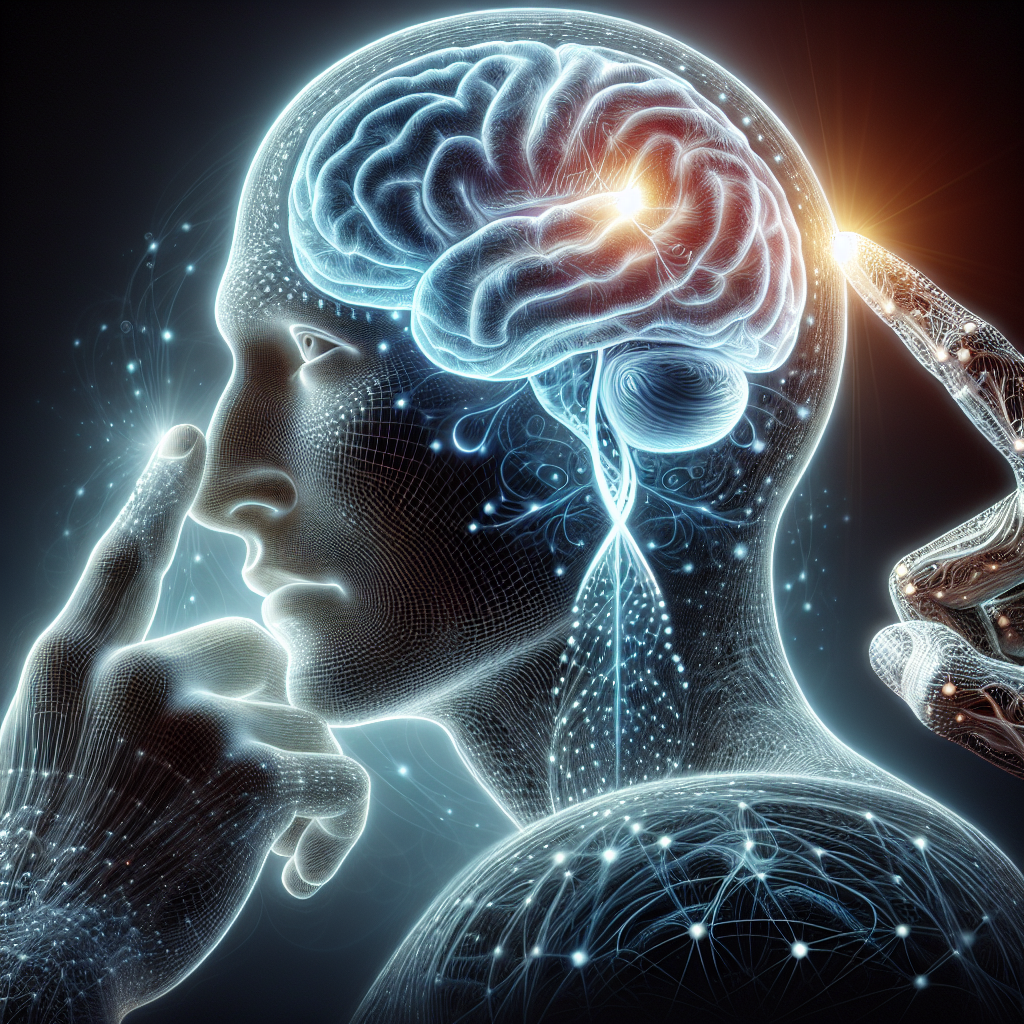
The link between emotional intelligence and physical health can be attributed to the intricate connection between the mind and the body. When we experience emotional distress, whether it be chronic stress, anxiety, or unresolved trauma, our bodies respond in kind. Prolonged exposure to such negative emotions can weaken the immune system, increase the risk of cardiovascular disease, and exacerbate conditions like high blood pressure and diabetes.
Stress Management and Resilience
One of the key benefits of high emotional intelligence is its role in stress management and building resilience. Individuals who are adept at recognizing and regulating their emotions are less likely to be overwhelmed by stressors, thereby reducing the harmful impact of chronic stress on their bodies. Furthermore, emotional intelligence enables individuals to bounce back from setbacks more quickly, fostering a sense of perseverance and adaptability.
Enhancing Relationships and Social Support
Strong social connections have long been associated with better health outcomes and increased longevity. Emotional intelligence plays a pivotal role in nurturing meaningful relationships and fostering effective communication. By empathizing with others, resolving conflicts constructively, and cultivating trust, individuals with high EQ are more likely to benefit from a robust support system that contributes to their overall health and well-being.
Longevity and Quality of Life
As we strive for longevity, it becomes apparent that emotional intelligence is not only a supplement to physical health practices but a fundamental component of a well-rounded approach to longevity. Studies have shown that individuals with high emotional intelligence tend to exhibit healthier lifestyle choices, better coping mechanisms in the face of adversity, and an overall greater sense of well-being, all of which contribute to an extended and fulfilling life.
Embracing Emotional Intelligence for a Healthier Future
In a society that often glorifies external achievements and physical prowess, it is essential to recognize the transformative power of emotional intelligence in shaping our health and longevity. By honing our ability to understand and manage our emotions, we not only improve our mental health but also fortify our bodies against the detrimental effects of stress and negative emotions. Let us embrace emotional intelligence as a guiding force towards a healthier, more vibrant future.
The evidence is clear: emotional intelligence is not just a buzzword but a critical factor in our journey towards optimal health and longevity. Cultivating emotional intelligence is an investment in ourselves, offering a pathway to a more resilient, fulfilling, and enduring existence.
Let us embark on this journey together, prioritizing our emotional well-being alongside our physical health, for a life that is truly rich in health and vitality.


Comments